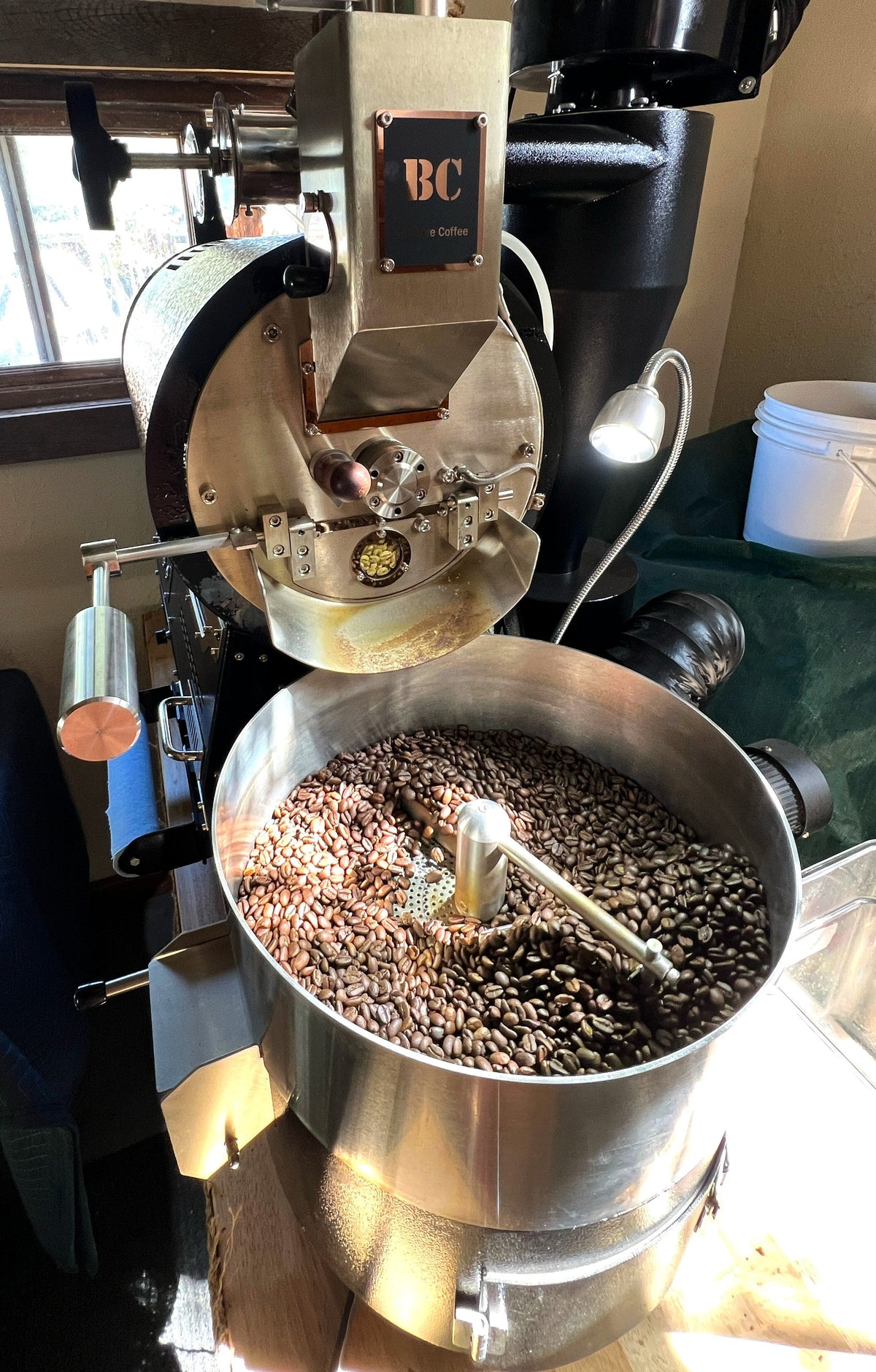

At Deep Canyon, we roast 100% Arabica coffees. It's what creates our smooth and delicious line up of blends and single origins that keep you satisfied through every cup. Why is that? Well, better than explaining it myself, here's a comprehensive article explaining the two primary coffee types on the world market. So grab a fresh cup of Deep Canyon Coffee and enjoy this informative read.
Written by Mellissa from Hot Coffee Brewing
Did you know that every cup of coffee you’ve ever enjoyed came from just one of two main species? Whether it’s your morning espresso or afternoon cold brew, you’re experiencing either Arabica or Robusta coffee beans. This simple fact shapes everything from the flavor dancing on your taste buds to the price tag at your local coffee shop.
Key Takeaways
- Arabica coffee accounts for 60-70% of global production and offers complex, nuanced flavors with higher acidity and lower caffeine content
- Robusta coffee makes up 30-40% of production, featuring bold, bitter flavors with nearly double the caffeine content of Arabica
- Growing conditions differ dramatically: Arabica thrives at high altitudes with specific climate requirements, while Robusta grows in lower elevations and resists diseases
- Price differences reflect quality and cultivation challenges, with Arabica typically costing 50-100% more than Robusta
- Brewing methods should be tailored to each bean type’s characteristics for optimal flavor extraction
The Two Giants Coffee
The coffee world revolves around two primary species: Coffea arabica and Coffea canephore (commonly known as Robusta). These botanical powerhouses have dominated global coffee production for centuries, each carving out distinct market niches.
Arabica coffee commands the premium market, representing approximately 60-70% of global coffee production. This species originated in the Ethiopian highlands and spread across the world through trade routes, eventually becoming synonymous with specialty coffee culture.
Robusta coffee holds a strong 30-40% market share, primarily serving commercial coffee applications and instant coffee production. Native to the Congo Basin in Central Africa, Robusta earned its name from its remarkable resilience to diseases and harsh growing conditions.
The historical significance of these varieties extends beyond mere agriculture. Arabica’s journey from Ethiopian forests to global cultivation shaped trade routes and colonial economies. Meanwhile, Robusta’s discovery in the late 19th century provided a hardy alternative when coffee leaf rust devastated Arabica plantations worldwide.
These two species dominate because they’ve proven commercially viable, adaptable to different growing regions, and capable of producing consistent yields. Their complementary characteristics—Arabica’s quality and Robusta’s durability—ensure stable global coffee supply chains.
Arabica Coffee-The Premium Choice
Arabica coffee traces its origins to the ancient coffee forests of Ethiopia, where legend tells of a goat herder named Kaldi discovering coffee’s energizing effects. From these highland beginnings, Arabica spread through Yemen, eventually reaching coffee-growing regions worldwide.
Growing conditions for Arabica are notably specific and challenging. These plants thrive at altitudes between 600-2,000 meters above sea level, requiring consistent temperatures between 15-24°C (59-75°F). The high-altitude environment contributes to slower bean development, allowing complex sugars and acids to develop fully.
Flavor complexity sets Arabica apart from its hardy cousin. Tasters often describe Arabica coffee with terms like “bright,” “fruity,” “floral,” and “wine-like.” The bean’s natural sweetness comes from higher sugar content, while its characteristic acidity provides the bright, clean finish coffee enthusiasts cherish.
Subspecies and varieties within Arabica include famous cultivars like Bourbon, Typica, Geisha, and SL28. Each variety brings unique flavor characteristics influenced by genetics, terroir, and processing methods. These distinctions explain why single-origin Arabica coffees can taste dramatically different despite sharing the same species.
Premium positioning in the market reflects both quality and cultivation challenges. Arabica plants are highly susceptible to coffee leaf rust, berry disease, and climate fluctuations. This vulnerability requires careful farming practices, contributing to higher production costs and retail prices.
The coffee industry considers Arabica the gold standard for specialty coffee, with the Specialty Coffee Association setting strict quality standards for grading and cupping scores.
Robusta Coffee- A Bold and Sturdy Brew
Robusta coffee originates from the Congo Basin in Central and Western Africa, where it grows naturally in lowland forests. Unlike its delicate cousin, Robusta earned its name through remarkable resilience to diseases, pests, and challenging growing conditions.
Hardy growing characteristics make Robusta significantly easier to cultivate than Arabica. These plants flourish at sea level to 800 meters altitude and tolerate temperature ranges from 18-36°C (64-97°F). This adaptability allows farmers to grow Robusta in regions where Arabica would struggle or fail entirely.
Bold flavor profile defines the Robusta experience, though “bold” often translates to “bitter,” “earthy,” and “nutty” for many palates. The higher caffeine content contributes to pronounced bitterness, while lower sugar levels result in less natural sweetness compared to Arabica.
Higher caffeine content serves as Robusta’s natural defense mechanism against insects and diseases. At 2.2-2.7% caffeine content, Robusta contains nearly double the caffeine of Arabica beans. This biological advantage makes Robusta plants naturally pest-resistant and more resilient to environmental stresses.
Commercial applications leverage Robusta’s practical advantages. The majority of instant coffee, espresso blends, and commercial coffee products contain significant Robusta percentages. Italian espresso traditions particularly value Robusta for creating the thick, persistent crema that defines authentic espresso.
Quality improvements in recent years have elevated some Robusta coffees beyond their utilitarian reputation. Fine Robusta initiatives now recognize exceptional quality beans that rival specialty Arabica in complexity and cleanliness, though these remain exceptions rather than the rule.
The Flavor Experience What Your Taste Buds Notice
Understanding coffee bean differences starts with recognizing how each species affects your sensory experience. The contrast between Arabica and Robusta flavors is immediately apparent to even casual coffee drinkers.
Arabica’s flavor complexity unfolds in layers. The initial sip often reveals bright acidity reminiscent of citrus fruits or berries. As the coffee cools, secondary notes emerge – perhaps chocolate undertones, floral aromatics, or nutty finishes. This evolution keeps each sip interesting and rewards slow, mindful consumption.
Acidity levels create one of the most noticeable differences. Arabica’s higher acidity provides brightness and liveliness that coffee enthusiasts describe as “clean” or “crisp.” This acidity isn’t harsh like lemon juice but rather pleasant and refreshing, similar to wine’s acidity.
Robusta’s flavor intensity hits immediately with bold, bitter notes that dominate the palate. The lower acidity creates a flatter flavor profile, but this characteristic works perfectly in milk-based drinks where the coffee needs to punch through dairy richness.
Body and mouthfeel differ dramatically between species. Arabica typically produces a lighter, more delicate body that feels clean and smooth. Robusta delivers a full, heavy body with substantial mouthfeel that lingers long after swallowing.
Aroma characteristics provide another point of distinction. Arabica beans release complex, often floral or fruity aromatics during brewing. Robusta’s aroma tends toward earthy, sometimes pungent notes that signal its bold flavor.
Processing effects can enhance or modify these natural characteristics. Honey processing amplifies Arabica’s sweetness, while natural processing can add fruity notes to Robusta. Understanding these interactions helps coffee lovers select beans that match their preferences.
Brewing Recommendations by Bean Type
Matching brewing methods to bean types maximizes each coffee’s potential. The best brewing method for Arabica coffee differs significantly from optimal Robusta preparation techniques.
Arabica Brewing Excellence
Pour-over methods showcase Arabica’s complexity beautifully. The controlled extraction allows delicate flavors to shine while maintaining proper balance. Use water temperatures between 195-205°F to extract flavors without over-extraction.
French press brewing works excellently with Arabica, especially for those who enjoy fuller body. The longer extraction time (4 minutes) allows complex flavors to develop fully. Use a medium-coarse grind to prevent over-extraction and bitterness.
Cold brew preparation highlights Arabica’s natural sweetness while minimizing acidity. The extended extraction time (12-24 hours) with room temperature water creates smooth, concentrated coffee perfect for hot summer days.
Grind size recommendations for Arabica depend on brewing method: medium-fine for pour-over, medium-coarse for French press, and coarse for cold brew. Consistent grind size ensures even extraction and optimal flavor development.
Robusta Brewing Mastery
Espresso applications represent Robusta’s strongest suit. The high pressure extraction method tames Robusta’s bitterness while emphasizing its ability to create thick, persistent crema. Use 20-40% Robusta in espresso blends for optimal results.
Moka pot brewing suits Robusta’s bold character perfectly. The high-temperature, pressure-based extraction method produces intense coffee that stands up to milk additions. The result mimics espresso strength without requiring expensive equipment.
Turkish coffee preparation traditionally uses finely ground Robusta for its ability to create the proper consistency and strong flavor. The extended boiling process would destroy Arabica’s delicate notes but works perfectly with Robusta’s robust character.
Milk-based drink recommendations favor Robusta’s intensity. Cappuccinos, lattes, and macchiatos benefit from Robusta’s ability to maintain coffee flavor through dairy additions. The higher caffeine content also ensures adequate stimulation despite dilution.
Price and Value Considerations
Coffee quality differences directly impact pricing, with Arabica commanding premium prices while Robusta offers budget-friendly options. Understanding these price dynamics helps consumers make informed purchasing decisions.
Arabica pricing reflects its challenging cultivation requirements and superior flavor reputation. Expect to pay $8-20+ per pound for quality Arabica beans, with specialty single-origin varieties commanding even higher prices. The investment pays off in flavor complexity and brewing versatility.
Production costs for Arabica include higher labor requirements for hand-picking, disease management expenses, and altitude-related transportation challenges. These factors contribute to Arabica’s premium positioning in the marketplace.
Robusta value proposition centers on affordability and caffeine content. Prices typically range $3-8 per pound, making Robusta accessible to budget-conscious consumers. The higher caffeine content provides excellent value for those prioritizing stimulation over flavor nuance.
Quality indicators help buyers identify good value regardless of species. Look for roast dates within 2-4 weeks, origin information, and processing method details. These factors indicate quality focus regardless of whether you’re buying Arabica or Robusta.
Budget-friendly strategies include buying Arabica-Robusta blends that offer complexity at moderate prices, purchasing directly from roasters, and exploring lesser-known origins that provide excellent value.
Regional Variations and Terroir Effects
Coffee varieties within each species create additional complexity for enthusiasts. Ethiopian Arabica differs dramatically from Colombian Arabica, just as Vietnamese Robusta varies from Ugandan Robusta.
Terroir influence affects both species but manifests differently. Arabica’s sensitivity to environmental conditions creates dramatic flavor variations between regions. Robusta’s hardiness produces more consistent flavors but still shows regional characteristics.
Processing traditions in different countries highlight each species’ potential. Ethiopian natural processing creates fruity Arabica flavors, while Vietnamese wet processing produces clean, strong Robusta coffee.
Seasonal considerations affect availability and quality of both species. Understanding harvest seasons helps consumers purchase coffee at peak freshness and quality.
The Future of Coffee: Trends and Innovations
Climate adaptation strategies increasingly focus on developing resilient coffee varieties. Researchers work on Arabica varieties with improved disease resistance while maintaining flavor quality. Similarly, efforts to enhance Robusta’s flavor profile continue advancing.
Consumer education about coffee species grows as specialty coffee culture expands. More consumers understand the difference between Arabica and Robusta coffee beans, leading to more informed purchasing decisions and appreciation for both species.
Sustainability initiatives increasingly recognize both species’ roles in coffee’s future. While Arabica maintains its specialty status, Robusta’s climate resilience positions it as crucial for coffee security in a changing world.
Innovation in processing benefits both species as producers experiment with fermentation, drying methods, and post-harvest techniques. These innovations help maximize each species’ potential while creating new flavor profiles.
Conclusion
Understanding what is the difference between Arabica and Robusta coffee empowers better coffee decisions and enhanced appreciation for this beloved beverage. Rather than viewing these species as competitors, recognize them as complementary options serving different needs and preferences.
Arabica coffee excels in specialty applications where flavor complexity and nuanced experiences matter most. Its higher price reflects challenging cultivation and superior flavor development that rewards careful brewing and mindful consumption.
Robusta coffee provides essential caffeine delivery, espresso foundation, and budget-friendly daily consumption options. Its hardy nature and bold flavors serve crucial roles in coffee culture, from Italian espresso traditions to convenient instant coffee.
Personal exploration remains the best way to determine preferences between these coffee species. Try single-origin examples of each species, experiment with different brewing methods, and taste blends that combine both varieties.
The coffee world benefits from both Coffea arabica and Coffea canephore diversity. Embracing this variety enhances appreciation for coffee’s complexity while ensuring sustainable, enjoyable coffee experiences for all preferences and budgets.
Next steps for coffee enthusiasts include:
- Taste single-origin examples of both species
- Experiment with different brewing methods for each type
- Try quality blends that showcase both species’ strengths
- Support sustainable coffee production for both varieties
- Continue learning about coffee origins, processing, and preparation
Whether you prefer Arabica’s complexity or Robusta’s intensity, understanding these differences enhances every coffee experience and supports informed choices in an increasingly diverse coffee marketplace.